


 GBP · £
 USD · $
 EUR · €
 CAD · C$
 AUD · A$


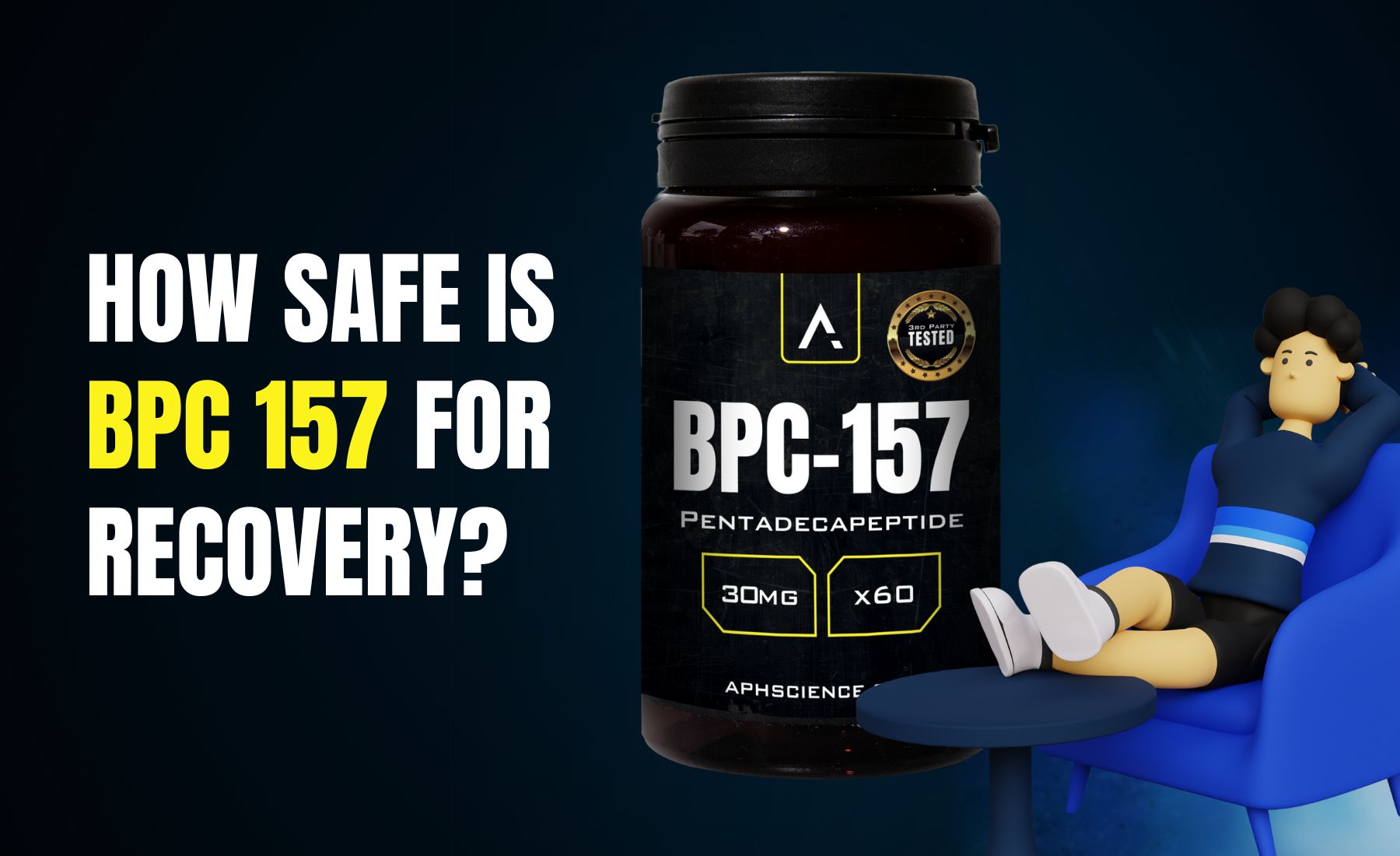
BPC-157
A 5mg BPC-157 research vial supplied with clear compound identity, batch traceability and carefully qualified preclinical context.

- Pills
- Vial

Subscribe for updates
This product is coming soon. Leave your email and we will notify you when BPC-157 5mg Vial is in stock.
You would earn 29 points
BPC-157 5mg is supplied as a lyophilised research peptide vial - one 5mg vial per pack, HPLC ≥99% purity target.
- 5mg BPC-157 peptide per vial, lyophilised for laboratory reconstitution
- Batch-tested for purity before release
- Supplied for laboratory research only
Research use only - not for human consumption.
APH Science BPC 157 is a peptide complex formulated to support tissue repair and recovery. It's studied for enhancing blood flow to affected areas, supporting the regeneration of muscle, joint and ligament tissues. BPC 157 is derived from a protective stomach peptide, making it a naturally compatible option for injury recovery research.
Yes, BPC 157 is studied for its role in joint health, and researched for supporting faster healing in joints, ligaments and tendons - a popular research subject for those interested in natural approaches to joint discomfort and improved mobility.
Follow the label and your lab's SOP for reconstitution and handling. This information is supplied for research/reference purposes only and is not human dosing guidance.
Free UK shipping on all orders over £100. Every order goes out in plain, unbranded packaging with no external branding. Orders under £100 ship via standard tracked delivery.
Every batch is independently tested by a third-party lab before it is released for sale. Research products sold by APH Science are strictly for research purposes only and are not intended for human consumption. Consult a healthcare professional before use.
What's your main goal right now?
Testimonials
Key benefits

Supports Rapid Recovery
BPC-157 accelerates recovery by promoting tissue repair and reducing inflammation. This peptide enhances natural healing, helping athletes and fitness enthusiasts recover faster from workouts, injuries, or joint stress for a quicker return to performance.
Try now
Relieves Joint and Muscle Pain
By boosting collagen synthesis and supporting blood flow, BPC-157 reduces pain in joints and muscles. Its anti-inflammatory properties make it ideal for addressing chronic discomfort, supporting long-term joint and muscle health.
Try now
Can Enhance Digestive Health
BPC-157 supports gastrointestinal health by protecting the stomach lining. It reduces inflammation and aids tissue repair in the gut, promoting a balanced digestive system, especially beneficial for those under physical stress.
Try now
Accelerated Recovery
BPC-157 is a powerful peptide that promotes faster recovery by enhancing tissue repair and reducing inflammation. Unlike traditional recovery aids, BPC-157 works by supporting blood flow and stimulating the body's natural healing processes, which accelerates the repair of muscle, tendon, and ligament tissues.
-
5mg lyophilised vialEach vial is labelled 5mg BPC-157 as a freeze-dried research peptide. It is made for laboratory reconstitution, not as a capsule or a ready-to-drink product.
-
Tissue repair signallingBPC-157 is studied for how cells migrate into damaged muscle, tendon and ligament tissue. Local blood-flow support is the usual research framing behind faster recovery models.
-
Independent testingBatches are third-party checked for identity and purity before release. HPLC documentation can be requested for the lot that ships.


Joint and Muscle Relief
BPC-157 is renowned for its ability to alleviate joint and muscle discomfort by supporting the body's natural healing and anti-inflammatory responses. This peptide promotes collagen synthesis and improves blood flow to stressed or injured areas, effectively reducing pain and enhancing mobility.
-
Joint and connective tissueResearch interest centres on tendon, ligament and joint capsule models. Collagen turnover and local repair signalling are the endpoints most often cited in that literature.
-
Collagen and blood flowBPC-157 is described as supporting collagen synthesis and perfusion to stressed tissue. That is why it is grouped with joint and muscle recovery rather than with androgen SARMs.
-
Training strainThe same pathways are studied in repetitive-load and high-impact designs. The research question is comfort and mobility after hard sessions, not a hormonal effect.

Digestive Health
BPC-157 is widely cited in gastrointestinal research for how the stomach lining and gut wall hold together under inflammatory stress. That is a separate research angle from the joint and collagen work in the section above.
-
Gastric lining modelsPreclinical literature looks at cytoprotection of the stomach lining. The interest is how the mucosa stays intact when inflammatory load is high, not a simple comfort claim.
-
Gut repair signallingWork in this area also follows blood flow to the gut wall and tissue repair in the intestine. Those models sit beside, rather than repeat, the tendon and joint data.
-
Physical stressThat lining research is why BPC-157 is discussed when training load is high. It is still a research peptide, 5mg per vial, not a food or digestive supplement.




Product FAQs
Contact us Contact usWhat is BPC 157?
BPC 157 is listed in the APH Science research peptide range. It is supplied for laboratory research only and is not sold as a food or dietary supplement.
How is it supplied?
Supplied as a single lyophilised 5mg vial per pack, for laboratory reconstitution. Research use only - not for human consumption.
Is PCT required?
Peptides in this range are not framed as hormonal SARMs. Research protocols are study-specific - design work around published literature and institutional rules, not retail cycle advice.
Who is this for?
Qualified research buyers only. Not for human consumption, medical use, or cosmetic self-experimentation.
What research context is BPC 157 catalogued for?
BPC 157 is listed for laboratory research. Exact study aims vary by lab - treat the listing as a supply SKU, not a clinical protocol.
Handling and reconstitution
Follow your lab SOP for peptides. Storage, reconstitution solvent, and sterile technique are protocol decisions - not retail medical instructions.
Purity and documentation
APH Science targets third-party verification on research batches. Request lot documentation where available for the vial you receive.
How should I store it?
Keep sealed as supplied, cool and dry, away from light. Follow any lot-specific storage note included with your order.
Can it be stacked in a research protocol?
Stack design is study-specific. Cross-check interactions and design constraints in published literature before combining research materials.
What makes BPC 157 different in the APH catalogue?
BPC 157 is listed with APH Science's standard QC culture: clear labelling, UK dispatch, and the same cart thresholds as the rest of the store. Always read the product description and label for the specific compound or formula details.
If you are comparing similar products, use the dose, format, and intended research or supplement category on this page as your primary guide - not third-party marketing claims.
Who typically buys BPC 157?
Buyers usually arrive looking for a specific training or research goal and want a labelled, consistently supplied product from a UK-facing brand. BPC 157 should be chosen only when it matches that goal and the product category on this page.
If you are unsure, use the on-page quiz (where shown), read the FAQs, or contact support before ordering multi-bottle quantities.
How should I store BPC 157?
Store BPC 157 sealed in a cool, dry place away from direct sunlight, moisture, and heat sources. Keep out of reach of children. Do not use if the seal is broken or the product looks compromised.
Follow any extra storage notes on the label (for example cold-chain guidance on certain research formats).
Is this suitable to stack with other APH products?
Many customers build multi-product carts (for example a primary compound plus recovery support). Whether BPC 157 fits a stack depends on the product class and your goal - use the description, FAQ, and quiz on this page as a starting point.
This is catalogue guidance only, not medical advice. When in doubt, keep the stack simple and verify compatibility yourself.
What makes APH Science different for this product?
BPC 157 is formulated under the same UK-owned QC culture as the rest of the APH Science range - clear labelling, third-party testing culture, and plain packaging. Buyers compare us against generic marketplace listings because batch consistency and support matter when stacking a full protocol.
Every order ships through the same fulfilment flow as our SARMs, stacks, and supplements catalogue, so cart thresholds for free UK shipping and gifts apply the same way.
What dose is on the Bpc 157 label?
Use the milligram dose printed on the bottle and this page.
Can I stack BPC 157 with other APH products?
Stack only what matches this product class. Check the description on this page rather than generic recovery or strength copy from another SKU.
This is catalogue guidance only, not medical advice.
What shipping and cart benefits apply when I buy BPC 157?
BPC 157 counts toward free UK shipping over £100, free protein gift thresholds, and next-day gift tiers in the same cart as every other APH Science product. Discrete packaging is standard. Tracked options are available at checkout depending on destination and service level.
How should I store BPC 157 after delivery?
Store BPC 157 in a cool, dry place away from direct sunlight and moisture. Keep the bottle closed between uses. Do not use past any stated best-before guidance on the pack. If the product is a research peptide vial rather than a capsule bottle, follow the dry-storage and reconstitution notes on that product page instead.
Is BPC 157 suitable for beginners?
If you are new to this category, start by reading the full product description, FAQ, and any dosage or research framing on the page. BPC 157 is positioned for buyers who already understand the compound class - not as a casual everyday multivitamin. When in doubt, choose a lower entry point or speak to a qualified professional before use.
Does BPC 157 qualify for subscribe and save or bulk pricing?
Where multi-bottle or bulk tiers are shown on the product page, the unit price drops as you increase quantity - that is the live price you add to cart. Subscription options appear only when configured for that SKU. Always check the buy box on BPC 157 for the current offer rather than assuming a sitewide discount code applies.
What should I do if I have a question about my BPC 157 order?
Contact APH Science support with your order number and the product name (BPC 157). Typical queries include delivery timing, batch documentation, and stacking advice. Response times are usually within one business day on UK working days.
Where do you ship from?
Orders dispatch from the UK with tracked shipping options. Free UK shipping applies on carts over £100.
How long does delivery take?
Timing depends on the service selected at checkout and courier performance. You will receive tracking when the order leaves the warehouse.
How are orders packed?
Orders are dispatched from the UK with standard e-commerce packing. Tracking is provided so you can follow the parcel in transit.
Is every batch third-party tested?
APH Science targets independent lab verification for research batches before release. Certificate or purity paperwork can be requested where available for your lot.
Is this for human consumption?
No. Research compounds, SARMs, and research peptides are sold strictly for laboratory research purposes only. They are not intended for human consumption, medical use, or as food or dietary supplements.
How do bulk buy discounts work?
Where Buy 1 / Buy 2 / Buy 3 tiers appear on the product, choosing a higher tier applies the stated saving at add-to-cart. The price on the button updates to match the selected tier.
How do I track an order?
Use the Track order page with your order details once you have confirmation and tracking. Contact us if a label has not appeared within the expected dispatch window.
How fast do UK orders ship?
Orders typically leave the UK warehouse within 1–2 working days. Free UK shipping applies over £100. International options depend on destination and product type - checkout shows available rates.
All orders use discreet outer packaging. Tracking is provided once the parcel is with the carrier.
Can I get batch / CoA documentation?
Where certificates of analysis or batch documentation are available for a product, APH Science can supply them on request. Include your order number and product name when contacting support.
Keep screenshots of the product page and your invoice for your own records if your lab requires them.


